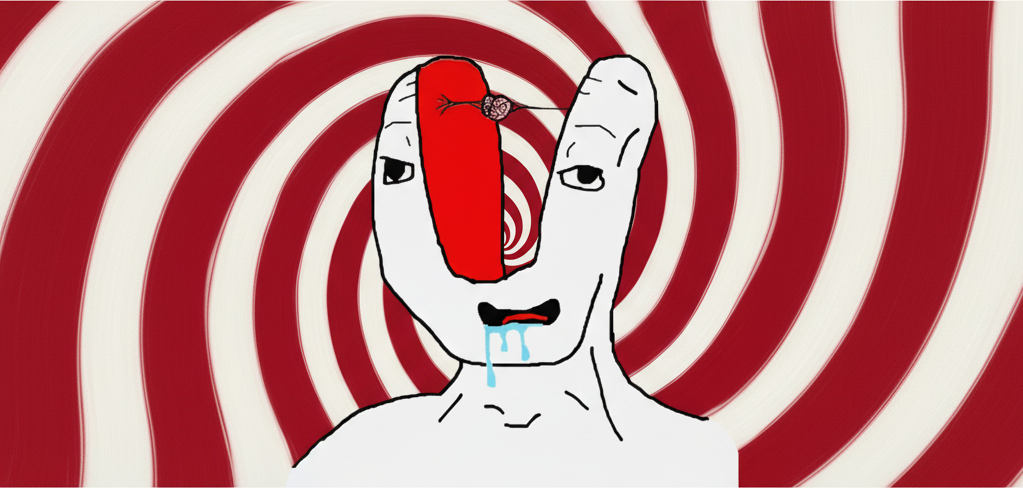
The TikTok Brain Rot: Is it killing our brain?
It’s 11pm, and you have your phone clutched firmly in your hand as you open TikTok for a little content dopamine before sleep. You blink and suddenly it’s 2am and you wonder if you’ve become a time traveller by way of endless doom scrolling. Sound familiar? It’s a plight most millennials and gen z’s face almost every night. So, what is it doing to our brains?
@raphaelneko “o i i a o i i a” – the spinning cat is back 🎵 #oiiaiiooiiai #cat #catsoftiktok #catmeme #spinningcat ♬ o i i a o i i a spinning cat remix by Raphael Neko – Raphael Neko 👑🎵
Is TikTok helping us stay informed and entertained, or is it quietly eroding our attention spans and productivity? Let’s dive into the implications of endless scrolling, its impact on our attention span, and how businesses can navigate this crowded space to create meaningful content.
What is TikTok ‘brain rot’?
The term ‘brain rot’ is the Oxford word of the year in 2024 — which is apt considering the impact the internet is having on our brain matter and our trivial use of the internet.
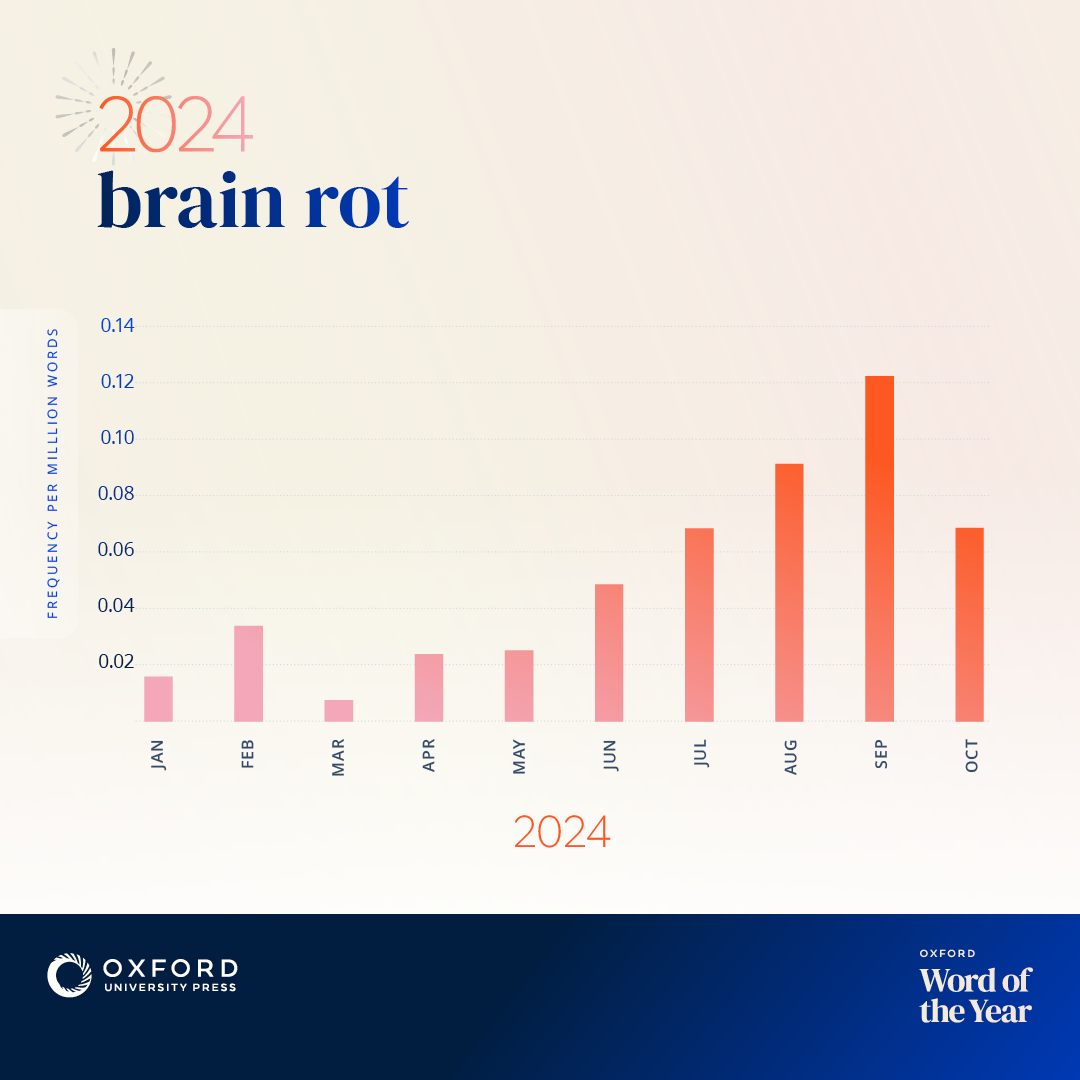
Brain rot is defined as “the supposed deterioration of a person’s mental or intellectual state, especially viewed as the result of overconsumption of material (now particularly online content) considered to be trivial or unchallenging”. Despite its widespread use, not many people realise the serious implications of compulsive internet use and its effects on our gray matter.
Alarming research has come out of Harvard medical school, the University of Oxford and King’s College London of the potentially disastrous effects of the internet on our brain — shrinking grey matter, shortening attention spans, weakening memory and distorting our cognitive processes.
Infinite scrolling apps like TikTok, are intended to feed our compulsive desire to endlessly consume content or “doom scroll”. According to Michoel Moshel, a researcher at Macquarie University, this tendency is a consequence “of our brain’s natural tendency to seek out new things, especially when it comes to potentially harmful or alarming information, a trait that once helped us survive.”
Spanish paper El País reports reports that some research suggests that mindless digital consumption induces a dissociative state, which explains why we often lose track of time on these types of apps. We are bombarded by rapidly changing stimuli that forces us to constantly change our focus. This has a detrimental impact on our ability to learn, to the point where even the US Surgeon General has even warned against letting anyone younger than 13 use social media sites.
The Disruption of Attention Span: What Is the Impact?
One of the most alarming concerns is TikTok’s impact on attention spans. With most videos lasting between 15 and 60 seconds, the platform conditions users to expect rapid bursts of information. This format can make it harder for people to focus on longer-form content or engage in deep work.
TikTok’s algorithm is a masterpiece of engagement, curating a never-ending stream of videos tailored to your interests. While this can be a source of entertainment and discovery, the platform often fosters a cycle of mindless consumption that is addictive by design. The content-detection algorithm is purposely developed and constantly refined to match users’ interests and keep them on the platform for as long as possible.
The dopamine-driven design of TikTok encourages users to stay on the app longer, often at the expense of more meaningful activities. While some creators provide educational content, inspiring stories, or practical tips, the vast majority of videos cater to quick laughs or trends that lose relevance in days.
The question remains: does this fleeting content add lasting value to users, or does it merely feed our craving for instant gratification?
Forbes goes even as far as calling the app ‘digital crack cocaine’ as it operates on the principle of random reinforcement: the endless video stream is addictive because we expect to get a ‘reward’ in the form of a funny video which gives us a shot of dopamine to the brain. With its entertainment focused algorithm that is tailored specifically to you, TikTok has the power to relieve boredom almost instantaneously, however the detrimental impact is the decreased ability to keep oneself entertained without the app. This writer also finds herself scrolling through TikTok while doing the most medial of daily activities like brushing her teeth, vacuuming, or even washing the dishes.
In a world where focus is a superpower, TikTok’s bite-sized content may be robbing us of our ability to engage deeply with ideas. TikTok has admitted its users have short attention spans. About 50% of TikTok users surveyed by the social media firm said they found videos longer than one minute to be “stressful,” while one in four of TikTok’s highest-performing videos fall in the app’s recommended optimal video length of 21-to-34 seconds, WIRED reported.
Social media is shifting in an attempt to capture our shifting attention span with smaller ‘easy-to-digest’ content. Other than TikTok, other social media platforms have jumped onto the short form video bandwagon — like YouTube Short and Instagram Reels, all aiming to clone the TikTok experience.
How Can Businesses Stand Out from the Noise and Make Meaningful Content?
Despite its challenges, TikTok remains a powerful platform for businesses looking to connect with younger audiences. To stand out amidst the noise, brands must prioritise quality over quantity and authenticity over gimmicks. Here are a few strategies:
- Focus on Storytelling: Even in a short format, storytelling can create an emotional connection. Share relatable experiences, behind-the-scenes glimpses, or narratives that resonate with your target audience.
- Add Real Value: Content that educates, inspires, or solves a problem is more likely to capture attention and foster loyalty. Think tutorials, expert advice, or life hacks that align with your brand’s expertise.
- Engage Authentically: TikTok users value authenticity. Avoid overly polished or salesy content. Instead, experiment with trends, use humor, and collaborate with influencers who genuinely align with your brand.
- Leverage Data: TikTok’s analytics tools can help you understand what’s working and what isn’t. Use these insights to refine your strategy and stay relevant.
- Create Interactive Campaigns: Encourage user-generated content through challenges or hashtags that invite participation. This not only boosts engagement but also builds a community around your brand.
Conclusion
While TikTok’s impact on our brains and society is a topic of debate, it’s clear that the platform isn’t going anywhere. For users, striking a balance between entertainment and meaningful engagement is crucial. For businesses, the key lies in cutting through the noise with content that is not just attention-grabbing but genuinely valuable.
The “TikTok brain rot” may be real, but with thoughtful strategies, we can ensure that the platform becomes a space for creativity, connection, and constructive dialogue rather than a mere distraction.
Leading brands and government agencies across Asia choose us for their video production services. Looking for a more detailed quote, or just want to discuss great video ideas? Picture Perfect Productions is a full-service production house. Drop us a line here and we’d love to help you out!